Your hearing aids get a lot of use over the course of a year, and you probably don’t think much about them when they’re working well. Here in Galveston, the humidity sticks around even after summer, so your devices spend plenty of time exposed to damp air.

You might clean them regularly at home, but there are still small areas where moisture and debris can collect. If your hearing aids sound fine, having them professionally cleaned might not be something you’ve considered recently.

After all, you’ve been taking care of them yourself, and nothing seems wrong.

Still, there’s only so much you can reach during your usual cleaning routine. With the year coming to an end, it might be a good time to think about when they last had a thorough cleaning.

How Dust and Moisture Build Up Inside Hearing Aids

Every time you wear your hearing aids, they’re exposed to more than you might realize. Dust from your surroundings settles around the microphone openings, while earwax and skin oils collect on the parts inside your ears.

You might see some of this when you take your devices out at night. But the smaller openings can hold onto debris, even after you’ve gone over them with a cleaning brush.

Moisture is another issue, particularly in places where the air stays humid for much of the year. Sweat can get into the small gaps around the casing, and temperature changes sometimes leave condensation on the devices.

Moisture that reaches the electrical contacts may cause corrosion and interfere with how your hearing aids work. You might not see anything unusual on the outside, even when moisture or debris has collected inside.

Comparing Home Care to Professional Maintenance

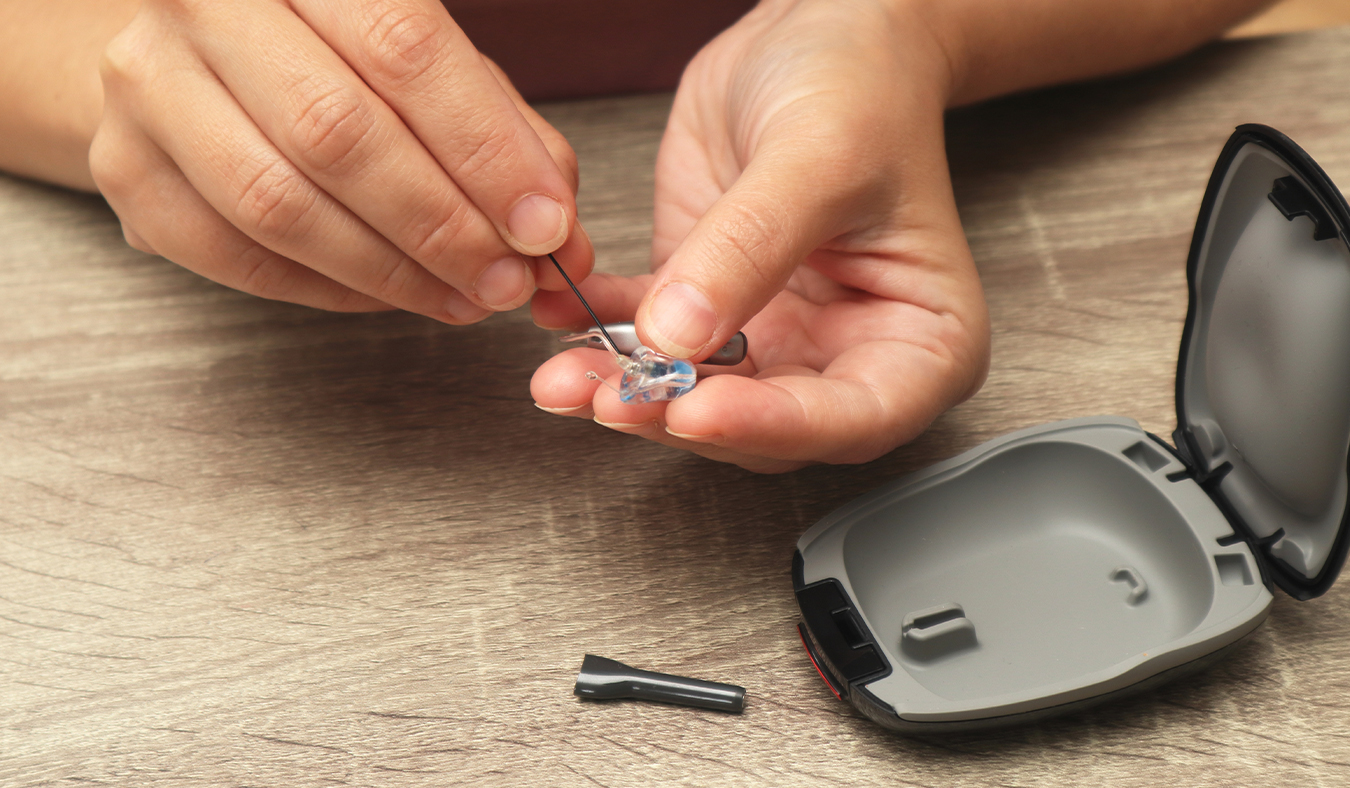
At home, you can wipe down your hearing aids, brush away earwax and replace wax guards when they’re clogged. Those simple tasks are part of keeping your devices clean between appointments.

A professional cleaning covers the areas you can’t safely reach yourself, including parts that may need to be removed for a closer look. The openings around the microphones and receivers are especially tricky because they’re so small.

Even a little wax or dirt can get stuck where a regular brush won’t reach. Trying to remove it with a pin or another sharp object could push it farther inside or damage the device.

During a professional cleaning, a hearing specialist uses tools designed for these delicate areas and checks for worn or damaged parts. A hearing specialist can also test the sound afterward to make sure everything is working as it should.

Tools Hearing Specialists Use During a Thorough Cleaning

During a professional cleaning, hearing specialists use equipment designed to reach the smaller parts of hearing aids without damaging them. A gentle vacuum can pull earwax and dirt from microphone openings and other narrow spaces.

A small air blower may also be used to clear loose particles that are difficult to remove with a brush. Both tools require careful handling since too much suction or air pressure could damage the components.

Some hearing specialists also use UV sanitizers during cleaning appointments. These devices use ultraviolet light to reduce certain germs on exposed surfaces, although they don’t remove wax or dirt.

The equipment used depends on the hearing aid model and which parts need cleaning. Hearing specialists also follow the manufacturer’s recommendations to avoid using anything that could damage the devices.

Warning Signs Your Hearing Aids Need a Deep Cleaning

Your hearing aids might not sound quite right, even when you’ve been cleaning them regularly. If the batteries are fine and you’ve already removed any visible wax or dirt, you may notice a few other problems:

    • Muffled sound: Conversations sound dull or quieter than they did before, even with the volume at its usual setting.
    • Sound cutting out: Your hearing aids stop working briefly or sound uneven throughout the day.
    • Wax that won’t come off: Earwax remains around the receiver or other small openings after you’ve tried cleaning them.
    • More whistling than usual: You hear feedback more often, even when your hearing aids fit properly.
    • Constant volume adjustments: You keep turning up the volume to hear things that were previously comfortable.
    • Debris in hard-to-reach spots: You can see dirt around the openings but can’t remove it with your cleaning brush.

Common Issues Caused by Debris and Moisture

The tubing on your hearing aids may eventually stiffen or crack, letting some sound leak out before it reaches your ear. Earwax or dirt may also get caught where the tubing attaches to the earmold and partially block the opening.

A hearing specialist can examine the tubing to see whether it needs replacing. They’ll also inspect the casing for cracks or gaps that might let moisture reach the parts inside.

After cleaning, they can listen to your devices to check whether the sound has improved. If something still isn’t working properly, they’ll have a better idea of whether the device needs a repair.

Reasons to Schedule a Cleaning Before Year-End Insurance Changes

Your hearing care benefits may change when the new year begins, depending on your insurance plan. Some plans include hearing aid maintenance or follow-up appointments, while others have specific rules about what they’ll cover.

If you haven’t looked at your benefits recently, you may want to check what’s included before the year ends. Before booking a cleaning, find out whether your current plan covers the appointment and if any benefits are set to expire.

Your plan may require you to see a specific hearing care provider, so check that before making an appointment. Some insurance plans don’t cover routine hearing aid cleanings, even when they include other hearing services.

Ways to Keep Your Hearing Aids Working Well Between Visits

Your hearing aids need some attention between professional cleanings, especially when you’re wearing them for most of the day. Getting into a regular routine doesn’t have to take long.

Here are a few things you can do at home:

    • Wipe them down at night: Use a soft, dry cloth to clean your hearing aids, including around the buttons and battery doors.
    • Keep them somewhere dry: Avoid leaving your hearing aids in the bathroom. A hearing aid dehumidifier is useful if they’ve been exposed to sweat or humidity.
    • Look at the wax guards: Check for earwax when you remove your devices and replace the guards when they’re clogged.
    • Check your cleaning brush: Wax can get stuck in the bristles, so clean the brush regularly and replace it when it starts wearing out.

Easy Steps to Schedule a Professional Cleaning Before the Year Ends

You don’t have to wait for something to go wrong before bringing them in. When scheduling, mention when your hearing aids were last cleaned and whether you’ve had any trouble with them recently.

If the sound has been cutting out or one device isn’t working quite right, let the office know. You can also ask how long the cleaning usually takes and what you should bring.

Bring your hearing aids along with any accessories that have been giving you trouble, like a charger or battery case.

Depending on the work needed, your appointment may take less than an hour. Your hearing specialist can check how your devices are working afterward and let you know if anything needs to be replaced.

Keep Your Hearing Aids Working Their Best with Professional Care

The end of the year can get busy, and it’s easy to put off an appointment when your hearing aids seem to be working fine. But if it’s been a while since they’ve had a professional cleaning, you might want to fit one in before the holidays.

Maybe there’s a button that’s been sticking or a charger that doesn’t always work the first time. You may have gotten used to dealing with these little annoyances, but they’re still worth mentioning when you bring your devices in.

When you bring your hearing aids to Galco Hearing Aid Service, we’ll clean the areas you can’t safely reach at home. We’ll also check for worn parts and look at anything that’s been giving you trouble.

Feel free to bring your charger or other accessories if they haven’t been working properly. You can tell us what you’ve been experiencing, even if it’s something small that happens only occasionally. Call our Galveston office at (409) 539-3647 or our Seabrook office at (281) 245-0520.